In the ever-evolving landscape of education, methods of feedback and assessment have always been pivotal topics of discussion. Marking, as a cornerstone of this dialogue, presents a unique challenge, shaped and reshaped by myriad interpretations across schools and educators. Within this spectrum, verbal feedback emerges as a significant component, often overshadowed but undeniably crucial. This piece dives into the nuances of verbal feedback, exploring its role, the official stance of authorities like Ofsted on the matter, and the innovative strategies schools are employing to maximise its potential. Join us on this journey to unravel the essence of verbal feedback in school marking and its transformative impact on modern education.

Understanding Verbal Feedback in School Marking
Marking holds varied interpretations across different schools, and even among individual teachers. One of the most daunting and time-intensive aspects of teaching, based on the feedback we’ve garnered, is certainly this. But how does verbal feedback come into play?
Ofsted’s Stance on Feedback
To obtain commendable remarks from Ofsted, schools must have an effective marking policy and consistently implement it. Ofsted states:
“Ofsted acknowledges the significance of both written and verbal feedback to students as pivotal elements of assessment. Nonetheless, there’s no set expectation from Ofsted regarding the volume or regularity of feedback; this is a decision for the school’s assessment policy.”
With no strict guidelines on marking’s volume or frequency, schools possess the flexibility to create marking policies suited to their specific needs. A noticeable shift is also occurring in terminologies used; many institutions are transitioning from ‘marking policy’ to ‘feedback strategies’.
Although we aren’t educators, we empathize with the daily pressures teachers face. We’re committed to understanding their challenges and assisting in creating viable solutions to simplify their goal attainment.
What is Live Marking?
In discussing marking methodologies, our focus in this article is primarily on “live marking.” Gaining traction as a popular term, it intrigued our planner specialists, leading to an in-depth exploration. As per Innovate My School, live marking is defined as “a straightforward yet impactful method where teachers assess student work during a lesson. It goes beyond mere cursory checks; it involves in-depth discussions with students about their assignments.” A notable mention here is the ‘verbal feedback given’ stamp that streamlines this process. However, if this verbal feedback strategy were a built-in feature of the resources students already use, wouldn’t it be more efficient?
Earlier this year, we introduced customised exercise books. Like our planners, the content can be adjusted to align with a school’s teaching approach. Those familiar with our sample packs would recognise the integrated feedback mechanisms – “Even Better If” and “What Went Well”.
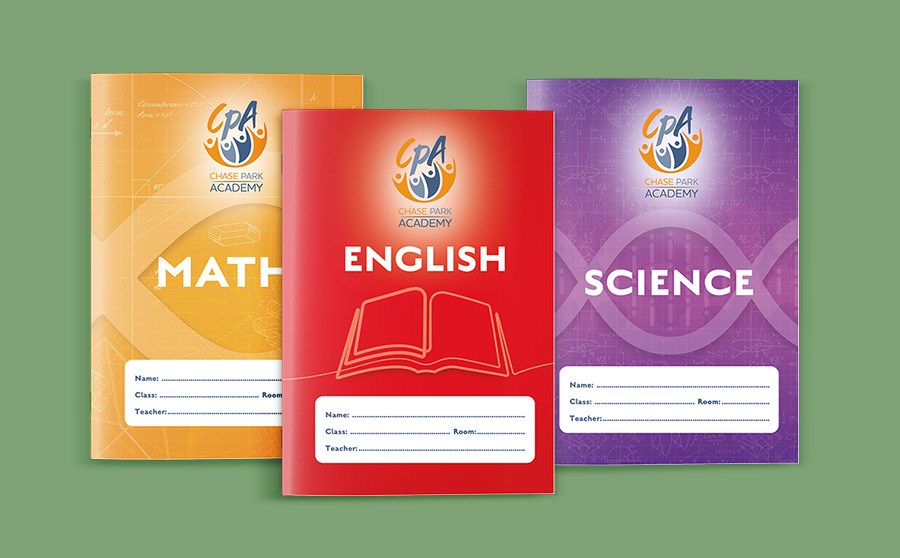
Custom Exercise Books and the Enhancement of Live Marking
Live marking, an immediate feedback system during lessons, has changed the way educators approach the assessment process. It emphasizes real-time interaction, providing students with immediate insights into their performance, thereby promoting instant learning and rectification. Custom exercise books have emerged as valuable tools in making this approach more efficient and personalized. Let’s delve into how these tailored resources can bolster the live marking process.
- Dedicated Feedback Sections: Custom exercise books can have dedicated sections for feedback, eliminating the need for teachers to sift through pages searching for areas to comment on. These sections can have prompts or structured spaces where teachers can quickly note down feedback or suggestions during live marking sessions.
- Standardized Symbols and Notations: With customized exercise books, schools can adopt a standardized set of symbols or notations that both teachers and students are familiar with. For example, a specific symbol could indicate a recurring mistake, while another could commend a particularly well-made point. These symbols speed up the live marking process, making it more efficient for teachers and comprehensible for students.
- Integration of Verbal Feedback Acknowledgment: As discussed earlier, the ‘verbal feedback given’ stamp or similar markers can be pre-printed in the custom exercise books. These can be quickly circled or highlighted by teachers during the lesson to indicate when verbal feedback has been provided, ensuring that students revisit and act upon these points.
- Personalized Learning Aids: Custom exercise books can include learning aids or resources specific to a school’s curriculum or a teacher’s method. These aids can be directly referenced during live marking, allowing teachers to guide students to particular resources or exercises that can help them understand and rectify their mistakes.
- Consistent Format Across Subjects: For schools implementing live marking across various subjects, a consistent format in custom exercise books ensures that both teachers and students know where to expect feedback, regardless of the subject. This consistency reduces confusion and streamlines the live marking process.
- Spaces for Student Reflection: Live marking is not just about teacher feedback; it’s also an opportunity for students to reflect on their understanding and performance. Custom exercise books can incorporate spaces where students jot down their thoughts or questions during or after the live marking session, promoting a two-way feedback system.
- QR Codes and Digital Integration: Modern custom exercise books can include QR codes or other digital integrations. Teachers can quickly scan these during live marking to pull up additional resources, exercises, or even digital feedback forms tailored to each lesson or student.
- Eco-friendly and Durable Design: Given the hands-on nature of live marking, custom exercise books designed for this purpose can be made more durable. Additionally, considering environmental concerns, they can be crafted from eco-friendly materials, ensuring sustainability.
In conclusion, custom exercise books, tailored to support live marking, can transform the traditional assessment process. They not only make the procedure more efficient for teachers but also enhance the learning experience for students by providing immediate, relevant, and actionable feedback.
Unlock Brighter Learning Experiences!
Dive into a world where education isn’t one-size-fits-all. With our custom printed school resources